
Get Apple Tree Removal in Spring, TX
Apple Tree Removal services for Spring, TX, and nearby areas address hazardous or unwanted trees, offering safe removal, pruning, and stump grinding solutions for property owners.
Property owners in Spring, TX often consider tree removal services for safety, property value, or landscape improvements. Whether dealing with damaged, overgrown, or hazardous trees, professional assistance ensures the work is handled efficiently and effectively. Exploring local tree removal options can help maintain a safe and attractive outdoor space, especially as trees mature or pose potential risks.
Continuing to explore available services can connect property owners with experienced local contractors who specialize in tree removal. These professionals understand the unique needs of Spring, TX properties and can provide solutions tailored to each situation. Keep reading to discover how local experts can assist with your tree removal needs.
Apple Tree Removal Services
- Hazardous Tree Removal - Needed when apple trees become diseased, damaged, or pose safety risks in residential or commercial properties.
- Stump Grinding and Removal - Required after apple tree removal to clear the area for landscaping or future planting projects.
- Storm Damage Cleanup - Necessary when severe weather causes apple trees to break or fall, creating obstacles or hazards.
- Overgrown Tree Pruning - Performed to maintain the health and appearance of apple trees, especially in orchards or large yards.
- Land Clearing for Development - Essential for preparing properties in Spring, TX, and nearby areas for construction or new landscaping projects.
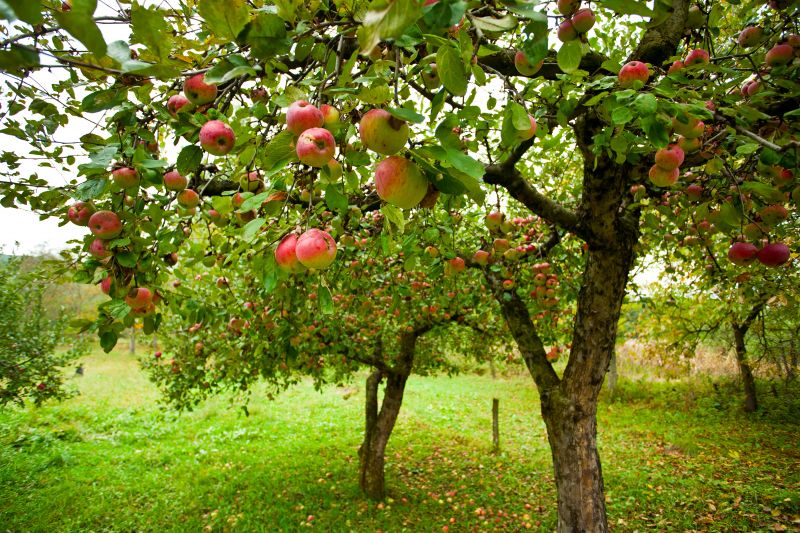
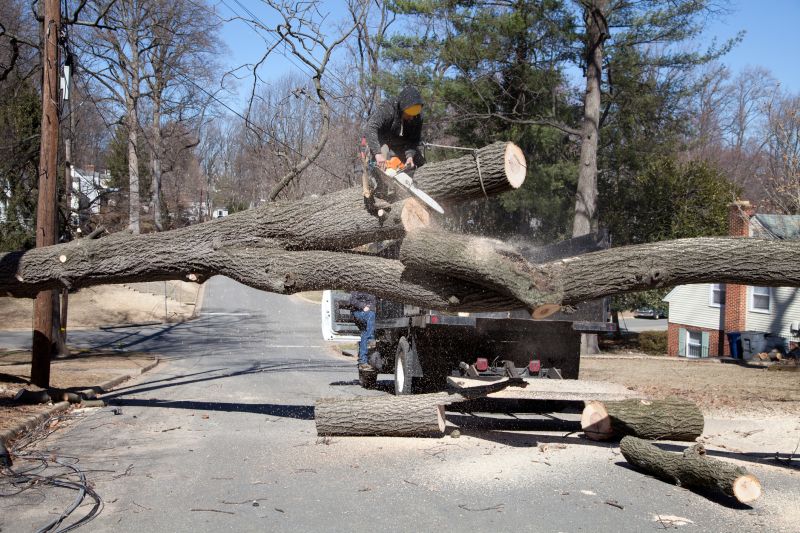
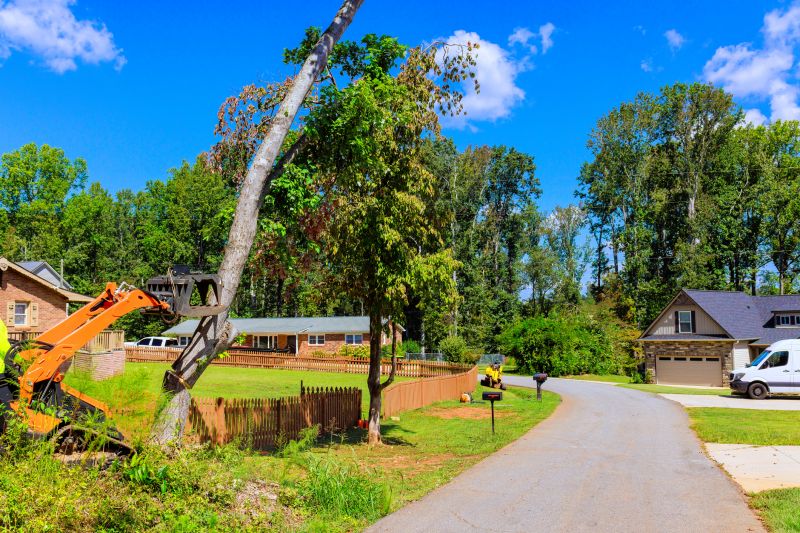
Apple tree removal services involve the careful and efficient removal of apple trees that are no longer desired, pose safety risks, or have become unhealthy. These services typically include the complete cutting down of the tree, removal of stumps, and cleaning up of the surrounding area. Professionals utilize specialized equipment and techniques to ensure the tree is removed safely and efficiently, minimizing disruption to the property and preventing damage to nearby structures or landscaping.
Removing an apple tree can help resolve several common problems. Overgrown or diseased trees can become safety hazards, especially during storms or high winds, due to the risk of falling branches or the entire tree. Additionally, dead or decaying trees can attract pests or become sources of disease that may spread to other plants. In some cases, removing an apple tree is necessary to make space for new landscaping, construction projects, or to eliminate an unwanted obstacle on the property.
This service is often sought by homeowners, property managers, and commercial property owners who manage residential yards, orchards, or urban landscapes. Properties with limited space may require tree removal to prevent overcrowding or to improve safety. Apple tree removal is also common in areas where trees have become diseased or damaged beyond recovery, requiring professional intervention to ensure the health and safety of the surrounding environment.
Professional apple tree removal services are typically available for a variety of property types, including single-family homes, community parks, commercial complexes, and agricultural land. Whether clearing a small backyard or managing larger orchard operations, property owners can contact local service providers for expert assistance. These professionals help ensure the process is handled safely, efficiently, and in accordance with property-specific needs.
The overview below groups typical Apple Tree Removal projects into broad ranges so you can see how smaller, mid-sized, and larger jobs often compare in Spring, TX.
In many markets, a large share of routine jobs stays in the lower and middle ranges, while only a smaller percentage of projects moves into the highest bands when the work is more complex or site conditions are harder than average.
Tree Removal Costs - The cost for removing a single small tree typically ranges from $200 to $500, depending on size and location. Larger trees can cost between $1,000 and $3,000 or more for removal services. Prices vary based on tree height and accessibility.
Stump Removal Expenses - Stump removal usually costs between $100 and $300 per stump, with larger or more difficult stumps incurring higher fees. Some providers include stump grinding as part of tree removal, which can affect overall costs. The complexity of the stump's size and depth influences pricing.
Multiple Tree Removal Pricing - Removing several trees in a property can range from $1,000 to $5,000, depending on the number and size of trees. Bulk discounts may apply, but costs generally increase with the number of trees and their dimensions. Larger properties with multiple mature trees tend to incur higher fees.
Additional Services and Fees - Services such as debris removal or hauling away tree parts typically add $100 to $400 to the total cost. Permits or special equipment requirements can also influence pricing, with costs varying based on project scope. Exact expenses depend on the specific services requested and property conditions.
Actual totals will depend on details like access to the work area, the scope of the project, and the materials selected, so use these as general starting points rather than exact figures.
Tree Removal - Local professionals offer tree removal services to safely and efficiently clear trees that pose hazards or no longer serve a purpose.
Stump Grinding - Stump grinding specialists can remove remaining stumps after tree removal to improve yard safety and aesthetics.
Emergency Tree Services - Emergency tree removal providers respond to storm damage or urgent situations to prevent property damage and ensure safety.
Selective Tree Removal - Experts perform selective removal to thin or prune specific trees, promoting healthy growth and landscape balance.
Hazard Tree Assessment - Arborists assess trees for structural issues or risks, recommending removal services when necessary for safety.
Land Clearing - Land clearing contractors prepare properties by removing multiple trees and debris for development or landscaping projects.
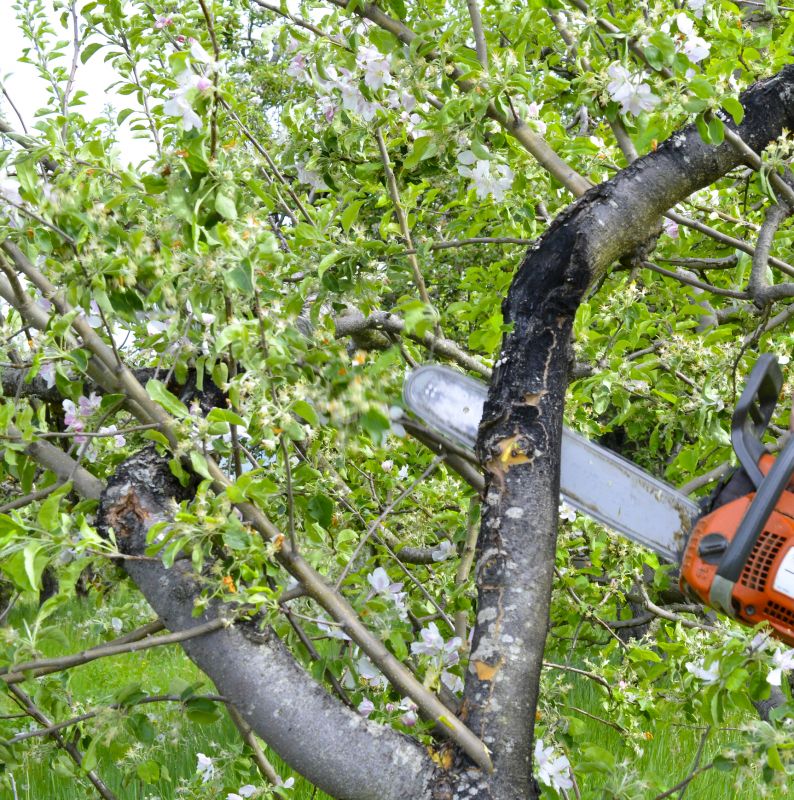
When selecting a professional for apple tree removal, it is important to consider the experience of the service providers in handling similar tree removal projects. Homeowners should look for local contractors who have a proven track record in safely and efficiently removing apple trees, especially those familiar with the specific challenges posed by mature or diseased trees. Verifying the length of time a provider has been operating in the area can offer insights into their familiarity with local regulations, tree species, and common issues encountered during removal.
Clear communication and written expectations are essential components of a successful tree removal service. Pros should be able to provide detailed descriptions of their process, including preparation, removal techniques, and cleanup procedures. Homeowners are encouraged to seek out providers who offer comprehensive written estimates or plans, ensuring that all aspects of the project are understood and agreed upon beforehand. Transparent communication helps prevent misunderstandings and ensures that the scope of work aligns with the homeowner’s needs.
Reputable references and positive feedback from previous clients can serve as valuable indicators of a local contractor’s reliability and quality of work. Homeowners are advised to ask for references or reviews from past customers to assess the provider’s professionalism and performance. Additionally, establishing open lines of communication with potential service providers can help clarify questions, set expectations, and ensure that the project proceeds smoothly. The site introduces local options, connecting homeowners with experienced and reputable tree removal service providers in the area.
Property owners in Spring, TX use Apple Tree Removal services for practical projects around their homes and businesses. This guide focuses on everyday jobs and straightforward project options.
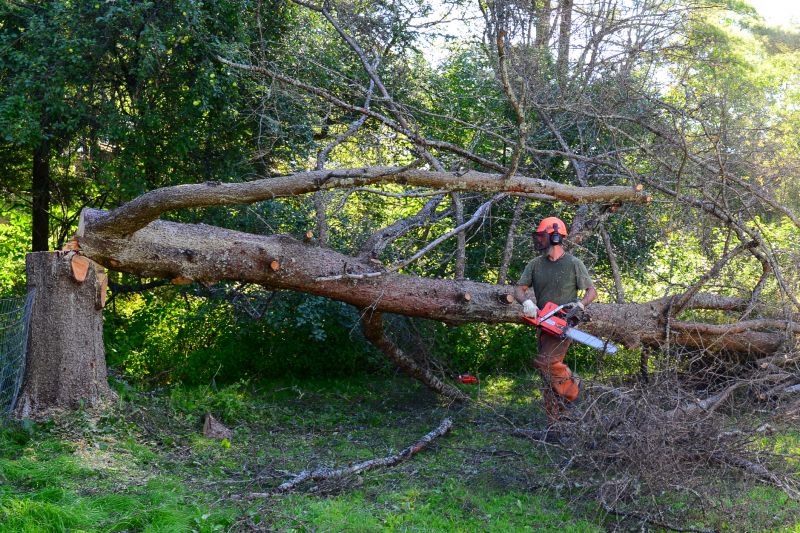
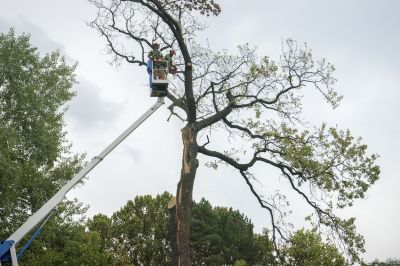
Apple tree removal services are often sought by property owners in Spring, TX when trees become hazardous or problematic. Overgrown or damaged apple trees can pose safety risks if branches are weak or if the tree is leaning. Additionally, some owners may choose to remove apple trees to clear space for new landscaping projects or to prevent interference with power lines and structures.
In other cases, property owners may opt for apple tree removal due to disease or pest infestations that threaten the health of the tree and surrounding plants. Removing a diseased tree can help prevent the spread of issues to nearby trees and maintain the overall appearance and safety of the property. Local service providers can assist with these needs, offering professional removal solutions tailored to each situation.
What is involved in removing an apple tree? Apple tree removal typically includes cutting down the tree, removing the stump, and clearing debris. The process may vary based on tree size and location.
How long does apple tree removal usually take? The duration depends on the size and condition of the tree, but most removals can be completed within a few hours to a day.
Are there any permits required for apple tree removal? Permit requirements vary by location; contacting local authorities or service providers can clarify if permits are necessary.
Can apple tree removal be done during any season? Yes, apple trees can generally be removed year-round, though some seasons may be more suitable depending on local conditions.
What should I consider before removing an apple tree? Factors include the tree’s health, location, impact on property, and potential stump removal options. Consulting local pros can provide guidance.
Tree Removal Planning - Professionals can assess the size and location of the apple tree to develop a safe and efficient removal plan. Proper planning ensures minimal disruption to surrounding landscape and property features.
Tree Health Evaluation - Local experts can evaluate the health of the apple tree to determine if removal is necessary due to disease, decay, or structural issues. This assessment helps in making informed decisions about tree management.
Permitting and Regulations - Service providers are familiar with local regulations and can assist in obtaining any required permits for tree removal. Compliance with regional guidelines ensures a smooth process.
Site Cleanup and Disposal - After removal, professionals can handle debris cleanup and proper disposal of the tree material. This helps restore the area and maintain property aesthetics.
If you are thinking about Apple Tree Removal for a property in Spring, TX, this guide is meant to help you understand the work, the typical project types, and how different options might fit your plans.
When you are ready, you can use the quote form on this page to share a few details about your project. From there, local pros can review the basics and respond with options that match what you have in mind.