
Popular Tree Removal Products For Safe and Effective Work
Explore trusted tools and gear that ensure safety and precision during tree removal projects of any size or complexity.
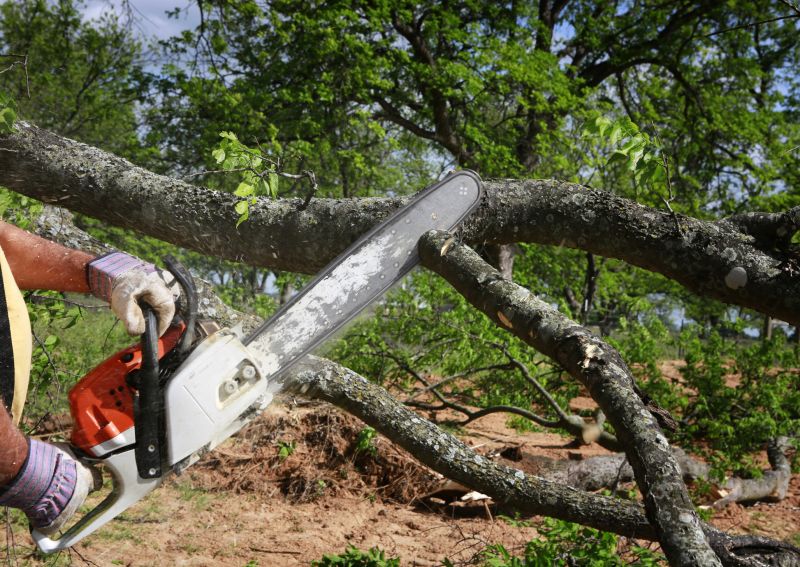 Tree removal is a task that requires careful planning and the right tools to ensure safety and efficiency. Whether dealing with hazardous branches, dead or diseased trees, or clearing space for new landscaping, selecting appropriate products is essential. In Tomball, TX, where the landscape includes a variety of mature trees, having reliable equipment can make the process smoother and safer. From manual tools to powered equipment, there are numerous options suited for different needs and levels of experience.
Top Overall Option
Heavy-Duty Chain Saw
A versatile and powerful chain saw is often considered an essential tool for tree removal projects. It can handle a variety of tasks, from cutting small branches to felling larger trees. Designed with safety features and ergonomic handles, it offers control and comfort during extended use. Proper selection of a chain saw, along with safety gear, can help facilitate efficient and safe tree removal activities in Tomball, TX.
Types of Products For Tree Removals
Manual Pruning Shears
Ideal for trimming small branches and shaping trees, manual pruning shears offer precision and control for detailed work.
Pole Pruners
Extend reach to trim higher branches safely from the ground, suitable for medium-sized trees.
Chainsaws
Available in various sizes, chainsaws are essential for cutting through larger branches and trunks.
Reciprocating Saws
Useful for cutting through thicker branches and wood with ease, especially in tight spaces.
Tree Climbing Gear
Harnesses, spikes, and ropes designed for safe climbing and positioning during tree removal.
Stump Grinders
Specialized equipment for grinding down tree stumps after removal, ensuring a smooth finish.
Loppers
Long-handled cutting tools suitable for trimming branches out of reach.
Aerial Lifts
Elevated platforms that provide safe access to high branches and large trees.
Rope and Pulley Systems
Assist in controlling the fall of large branches or trees during removal.
Safety Helmets and Gloves
Protective gear essential for safe operation during tree removal tasks.
Chainsaw Chaps
Protective leg gear that offers safety when operating powered cutting tools.
Wood Chippers
Convert branches and small trees into mulch, reducing debris after removal.
Debris Bags and Tarps
Facilitate easy collection and disposal of cut branches and wood.
Hydraulic Tree Spades
Used for transplanting or removing trees with minimal disturbance to surrounding soil.
Cable and Winch Systems
Assist in controlling large trees or heavy branches during cutting and removal.
Popular Choices
Offering mobility and convenience, cordless chainsaws are favored for smaller to medium tasks.
Popular for reaching high branches without climbing, suitable for maintenance and light removal.
Compact and easy to use for quick trimming or small branch removal.
Combining power and reach, these are trending for efficient high branch trimming.
Preferred for their quiet operation and ease of use on smaller trees.
Widely used for controlling branch fall and safety during removal.
Attach to existing equipment for effective stump grinding in tight spaces.
Essential for professional-grade tree work, providing safety and mobility.
Convenient for on-site debris processing, trending among landscapers.
Popular protective gear for safe operation in active tree removal sites.
Trending for their ability to cut thick branches with minimal effort.
Versatile sets combining pruning, cutting, and trimming tools for convenience.
Increasingly favored for their ability to remove root balls and small trees.
Essential for controlled tree felling, especially in confined spaces.
Popular for simplifying cleanup after pruning or removal.
Proper tree removal involves assessing the size, location, and condition of the tree. Larger trees or those situated near structures may require specialized equipment and techniques. Safety is paramount, and using the right tools can help prevent accidents and property damage. It is also important to consider the scale of the job, as small pruning tools are suitable for minor branch removal, while heavy-duty equipment is necessary for larger tasks.
Investing in quality products can enhance the efficiency of tree removal projects. Many tools are designed to handle specific aspects of the job, such as cutting, lifting, or grinding. Proper maintenance and usage are crucial to ensure longevity and safety during operations. For residents in Tomball, TX, choosing the right equipment can make a significant difference in managing tree-related tasks effectively and safely.
Key Buying Considerations
- Tree size and height: Match equipment capacity to the scale of the tree.
- Safety features: Look for tools with safety guards, anti-vibration handles, and reliable brakes.
- Power source: Decide between electric, battery-powered, or gas-powered tools based on mobility and power needs.
- Ease of use: Consider ergonomic design and user-friendly controls for safer operation.
- Durability and build quality: Select tools made from high-quality materials for longevity.
- Maintenance requirements: Understand how easy it is to clean, sharpen, or replace parts.
- Storage and portability: Evaluate storage options and weight for ease of transport and storage.
- Budget: Balance cost with features and durability to get the best value.
- Compatibility with accessories: Check if the tool can be upgraded or used with other attachments.
- Local regulations and safety standards: Ensure equipment complies with safety guidelines applicable in Tomball, TX.
- Environmental conditions: Consider weather resistance if tools will be used outdoors frequently.
- Skill level: Choose tools suitable for your experience, from beginner to professional.
- Availability of replacement parts: Ensure easy access to parts for repairs and maintenance.
- Noise levels: Be mindful of noise restrictions, especially in residential areas.
- Environmental impact: While not eco-focused, consider the operational emissions or waste generated.
This content contains affiliate links. We may earn a commission if you purchase through these links, at no additional cost to you.